RACB Motor RACB Motor

7 Best Single Phase Gear Motors for Global Buyers?

Time:2026-09-30 Author:Charlotte
0%

Choosing the right Single Phase Gear Motor is rarely a simple matter of comparing price and wattage. Global buyers must examine torque, speed, duty cycle, voltage, frequency, insulation, noise, and gearbox construction. A motor that performs smoothly on a 230-volt, 50-hertz line may require different specifications for a 115-volt, 60-hertz application.

Robert L. Norton, a respected mechanical power-transmission educator, writes, “Design is an iterative process of analysis and synthesis.” His observation fits gear motor selection closely. Buyers should compare catalog data with actual operating conditions, including startup load, reversing frequency, ambient temperature, and available mounting space. Small details matter. A poorly matched reduction ratio can cause overheating, slow movement, or unnecessary energy use.

This guide introduces seven Single Phase Gear Motor options for international purchasing teams, equipment designers, and maintenance professionals. Each candidate is considered through practical criteria: output torque, rated speed, gear arrangement, enclosure protection, thermal performance, serviceability, and supplier support. The discussion also recognizes regional differences in electrical systems and documentation expectations. Specifications can look impressive. Real performance may differ.

No ranking is perfect. Some manufacturers publish limited test information, while others use different rating methods. That creates uncertainty. Buyers should verify datasheets, drawings, samples, and warranty terms before placing volume orders. Field experience also deserves attention, especially where motors operate conveyors, mixers, gates, pumps, or compact automation equipment. The best choice is not always the strongest motor. It is the one that delivers stable motion, acceptable heat, dependable starting, and sensible lifecycle value.
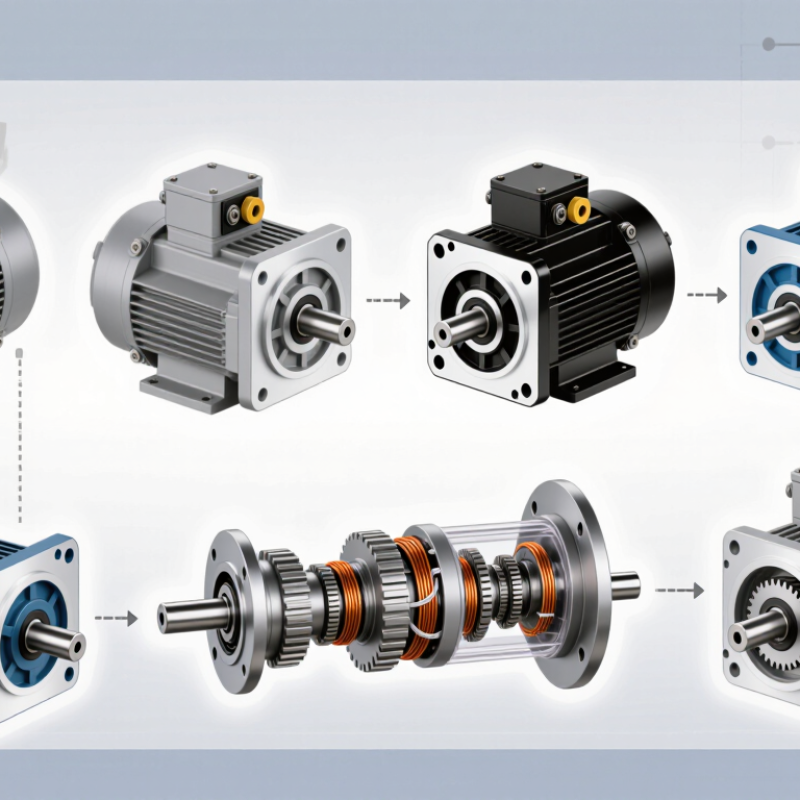
7 Best Single Phase Gear Motors for Global Buyers?

What Is a Single-Phase Gear Motor and How Does It Work?

A single-phase gear motor combines an electric motor with a gearbox. It runs from a single-phase AC supply, commonly found in homes and small workshops. Inside the motor, alternating current creates a changing magnetic field. Many designs use a capacitor to help create starting torque, though the exact arrangement depends on the motor.

The motor’s shaft turns quickly, while the gearbox reduces speed and increases usable torque. For example, a conveyor may need steady movement rather than high rotational speed. Gears transfer motion through meshing teeth, and their ratio determines the output speed. A lower output speed often means greater torque, but friction and heat still affect performance. Nothing is perfectly efficient.

In practical use, check the rated voltage, output speed, torque, and duty cycle against the actual load. A motor that starts an empty conveyor may struggle once boxes are added. Mounting alignment matters too; a small mismatch can cause vibration and wear. Keep the gearbox lubricated as specified, and watch for unusual noise or temperature during operation. These checks are simple, but they are easy to overlook. A careful load test can reveal problems before the motor becomes part of a larger machine.

Key Factors for Comparing Single-Phase Gear Motors

Key Factors for Comparing Single-Phase Gear Motors

Compare the whole drive, not just the motor’s rated power. Check supply voltage and frequency, output speed, starting torque, and required load torque. A small conveyor may need strong startup performance when carrying a full tote. Confirm the duty cycle and allowable temperature rise, too. A motor that runs briefly may not suit continuous operation.
Gearbox details matter. Compare reduction ratio, mounting position, shaft dimensions, backlash, lubrication needs, and enclosure protection. The IEA’s 2011 report, Energy-Efficiency Policy Opportunities for Electric Motor-Driven Systems, estimated that motor-driven systems use about 45% of global electricity. That broad estimate is not a single-phase gear-motor benchmark, but it shows why efficiency and correct sizing deserve attention. Actual performance depends on the motor, gearbox, load, and operating pattern.

Tips: Ask suppliers for rated output torque and speed at the gearbox shaft, not motor-only figures. Check noise, heat, and starting behavior under your real load. A datasheet can miss the awkward detail: installation space. Verify dimensions and mounting before ordering; field checks are still worthwhile.

Seven Single-Phase Gear Motor Options for Global Buyers

A useful shortlist includes seven single-phase gear motor options. Capacitor-run induction models suit steady loads, such as small mixers. Capacitor-start models can help when equipment needs stronger starting torque. Reversible units serve conveyors that move in both directions. Speed-control-compatible models allow adjustable feed rates, when the motor and controller are properly matched. Worm gear motors turn power through a right angle and fit compact layouts. Helical gear motors suit continuous transmission where efficiency matters. Bevel gear motors also redirect shaft output, often with a different balance of size and performance. Small details matter.

For global buyers, check the supply voltage and frequency before comparing prices. Confirm rated output speed, torque, duty cycle, mounting position, and shaft dimensions against the actual machine. A motor that fits on paper may still conflict with a guard or frame. Ask for a dimensional drawing and a clear rating plate. Not glamorous, but useful.

The right choice depends on the load and working conditions, not the gear type alone. A conveyor with frequent starts may need a different motor from a fan running for long periods. Also check local service access, spare-part lead times, and the seller’s test documentation. One easy mistake is choosing by purchase price alone. The awkward part is that these checks take time, but skipping them can cost more later.

7 Single-Phase Gear Motor Options for Global Buyers

Compare common regional single-phase supply-voltage options. The values represent nominal mains voltage—not motor performance ratings.

Typical frequency varies by market: Japan 50/60 Hz; North America and Taiwan 60 Hz; Brazil 60 Hz; the EU, UK, and Australia 50 Hz. Confirm the motor nameplate and local supply before selecting a gear motor; regional standards and available supplies can vary.

How to Match Gear Motors With Different Industrial Applications

Matching a single-phase gear motor starts with the load, not the catalog. A conveyor moving cartons needs steady torque at low shaft speed, while a small mixer may face a brief, heavy start. Record the required output speed, starting load, daily run time, and available supply voltage and frequency. Then compare gear ratio, rated torque, and motor power. A motor that reaches the right speed but stalls under load is not a match.

For pumps, check whether flow changes create frequent starts. For gates or lifts, verify starting torque, braking needs, and duty cycle; these loads can overheat an undersized motor.

Dust, moisture, ambient heat, and mounting direction also matter. Confirm enclosure rating, lubrication position, shaft arrangement, and installation clearances with the supplier’s data sheet.

Single-phase supply can vary by region, so confirm the nameplate voltage and frequency before ordering. Small detail, big consequence.

Tips: Ask for a load curve, not only a headline power rating. Leave a reasonable service margin, but avoid oversizing without checking efficiency and starting current. If the application cycles often, test one unit under real load. A tidy calculation may still miss friction, cold starts, or a jammed product; revisit assumptions after commissioning.

Installation, Maintenance, and International Purchasing Considerations

A single-phase gear motor may fit the nameplate yet struggle after installation. Check the supply voltage and frequency against the motor rating; 50 Hz and 60 Hz operation can affect speed, heating, and output. Confirm the mounting position, shaft alignment, load, and required protection rating before fixing the unit in place. Keep ventilation openings clear, and avoid placing the motor where dust or moisture can collect. Small errors matter. Real sites are rarely textbook-clean, so allow room for inspection and safe access.

Maintenance should include listening for new gearbox noise, checking fasteners, and watching for unusual heat or vibration. Follow the manufacturer’s lubrication schedule rather than adding grease by habit. The International Energy Agency’s 2011 report, Energy-Efficiency Policy Opportunities for Electric Motor-Driven Systems, estimated that motor-driven systems use about 46% of global electricity. The U.S. Department of Energy has also reported that motor systems account for roughly 69% of industrial electricity use in the United States. These figures concern motor systems broadly, not single-phase gear motors alone, but they underline why efficient operation matters. For international purchasing, request clear ratings, wiring diagrams, dimensions, duty details, and spare-part information. Check that documentation matches the destination’s supply and installation requirements. A low purchase price can still mean delays if a replacement capacitor or correctly sized mounting part is difficult to source.

FAQS

What is a single-phase gear motor?

It combines an electric motor and a gearbox. It uses single-phase AC power, common in homes and small workshops.

How does a single-phase gear motor work?

Alternating current creates a changing magnetic field inside the motor. The shaft spins quickly, while gears reduce speed and increase usable torque.

Why is a capacitor often used?

Many designs use a capacitor to create starting torque. This helps the motor begin turning under load. The exact arrangement varies.

How should I choose the correct motor size?

Match voltage, frequency, output speed, torque, and duty cycle to the real load. An empty conveyor may start easily, but loaded boxes can change everything.

What gearbox details should buyers compare?

Check the reduction ratio, mounting position, shaft size, backlash, lubrication, and enclosure protection. Small details matter.

Which gear motor suits different applications?

Capacitor-run models suit steady loads, such as small mixers. Capacitor-start models help with stronger starting demands. Reversible models suit two-direction conveyors.

How do worm, helical, and bevel gear motors differ?

Worm gear motors redirect power at a right angle and fit compact layouts. Helical types suit continuous transmission. Bevel types also redirect output, with different size and performance balances.

What installation checks are important?

Confirm mounting dimensions, shaft alignment, and available space before ordering. A motor can fit on paper yet clash with a guard or frame.

How can I maintain reliable operation?

Keep the gearbox lubricated as specified. Watch for unusual noise, vibration, or heat. A careful load test can expose problems early.

Is the lowest purchase price the best choice?

Not always. Consider efficiency, service access, spare-part timing, and test documents. I might overlook these checks, but later repairs can cost more.

Conclusion

This guide explains how a Single Phase Gear Motor combines an electric motor with a reduction gearbox to deliver controlled speed and increased torque using a single-phase power supply. It outlines the key factors buyers can compare, including rated power, output speed, torque, gear ratio, efficiency, mounting style, enclosure protection, and operating conditions. The article also reviews seven general motor and gearbox configurations, helping readers understand how different designs may suit different performance needs without relying on brand names.

Choosing the right unit depends on the application, such as conveyors, packaging equipment, mixers, or other machinery that needs steady, reliable motion. The guide also covers practical installation and maintenance considerations, including alignment, secure mounting, ventilation, lubrication, and routine inspection. For international purchasing, it highlights the value of confirming electrical ratings, product documentation, shipping requirements, and after-sales support before placing an order.

Charlotte

Charlotte

Charlotte is a seasoned marketing professional with a deep understanding of the company's portfolio and a passion for elevating its presence in the market. With a keen eye for detail and a commitment to excellence, she ensures that our professional blog is regularly updated with insightful articles......