RACB Motor
In today's world of automation, the choice of motor technology can greatly impact efficiency. Leading industry expert, Dr. Emily Farman, states, "Plastic Gear Motors transform energy into motion with remarkable efficiency." This insight highlights the pivotal role that Plastic Gear Motors play in various applications.
Plastic Gear Motors offer lightweight solutions, making them ideal for compact designs. They combine strength with versatility, bringing power to a wide range of automated systems. Many industries depend on these motors for precise control and reliability. However, the market can be overwhelming. Selecting the right model is crucial, as not all Plastic Gear Motors are created equal.
Despite their advantages, there are challenges. Some users find that durability can be an issue under high loads. Others may face compatibility problems with existing components. Understanding these potential pitfalls is vital for those looking to implement efficient automation solutions.
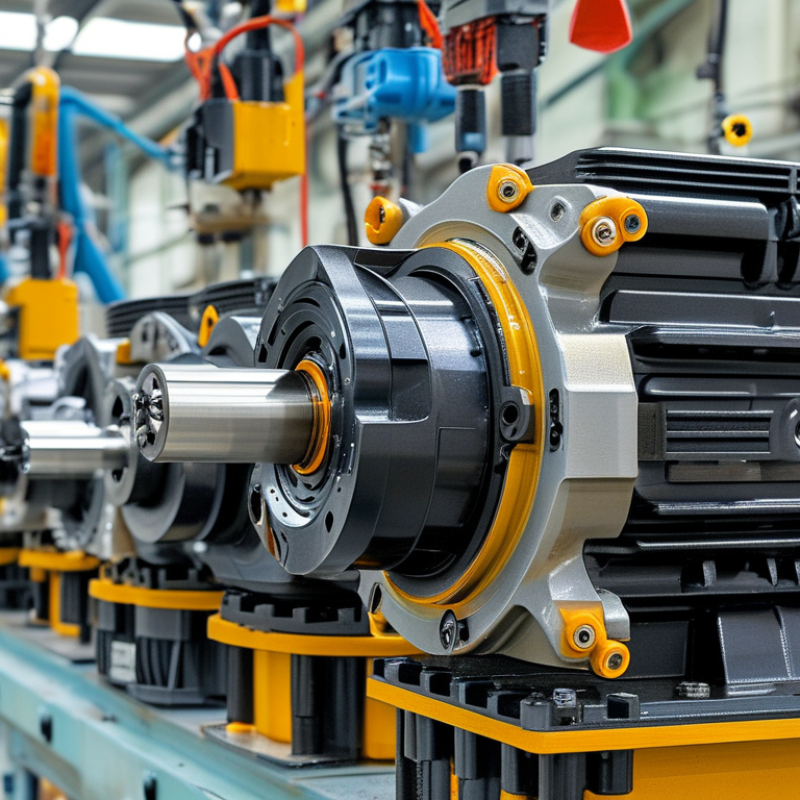
Plastic gear motors are becoming a popular choice in various automation applications. They offer a lightweight solution without sacrificing durability. These motors use polymer gears that reduce weight significantly. This is particularly beneficial in applications where weight constraints are critical.
Their design often allows for quieter operation compared to metal counterparts. This is a key benefit in settings such as robotics, where noise can be disruptive. Additionally, plastic gear motors can be resistant to corrosion. This characteristic increases their lifespan in harsh environments. However, users should be aware of load limitations, as plastic gears may not support very high torque.
Another important aspect is the efficiency of these motors. They can provide adequate speed control for a variety of tasks. A drawback is the potential for wear over time, especially under heavy use. Regular maintenance is essential to ensure optimal performance. Users should also consider the applications carefully. Some scenarios may require a more robust motor solution. As the industry evolves, understanding the nuances of plastic gear motors becomes vital for effective automation.
Plastic gear motors play a vital role in various automation applications across industries. Their lightweight design and corrosion resistance make them ideal for environments where metal components could fail. According to a market research report by Grand View Research, the global plastic gear motor market is expected to reach USD 1.5 billion by 2025, driven by their adoption in automation solutions.
In the food and beverage sector, plastic gear motors efficiently drive conveyor belts and packaging machines. These motors endure hygiene challenges and reduce maintenance needs in high-temp sterilization processes. Statistical data from the Food Processing Industry shows that automation can improve efficiency by up to 30%, showcasing the necessity for reliable components like plastic gear motors.
Another application is in the medical devices sector. Equipment such as infusion pumps and robotic surgical instruments rely on precise movements. Here, plastic gear motors offer the necessary torque while remaining lightweight, vital for portability. However, reliance on these motors means manufacturers must constantly evaluate quality and performance standards, as any failure could jeopardize patient safety. This constant assessment highlights the need for ongoing innovation and improvement in material and design choices.
When comparing plastic gear motors to metal gear motors, the performance differences are striking. Plastic gear motors are generally lighter. This can lead to easier installation and less stress on mounting structures. However, their durability, especially under high loads, can be a concern. While they perform well in low-torque applications, they may not withstand extreme conditions as effectively as their metal counterparts.
Metal gear motors excel in robustness and longevity. They are often the choice for heavy-duty applications, providing consistent torque and stability under pressure. The trade-off, however, is weight and cost. Metal gears tend to be more expensive and can lead to increased complexity in designs. Their performance under harsh environments is exceptional, but manufacturers must consider the added weight in their applications.
One must reflect on the specific needs of their project. If the application requires lightweight and low torque, plastic could be suitable. Yet, for high-stress scenarios, metal may be essential. Each choice carries implications for efficiency and effectiveness. Balancing these factors is crucial in selecting the best motor for automation solutions.
Plastic gear motors are crucial in automation for various industries. Several factors can significantly influence their efficiency. Understanding these factors can help in selecting the right motor for specific applications.
Material quality plays a vital role. High-quality plastics can withstand wear better than cheaper alternatives. This enhances durability, reducing the need for frequent replacements. However, budget constraints may lead to compromises, inserting a level of risk. An inappropriate material choice can lead to unexpected failures.
Another essential aspect is the gear design. The configuration of the gears impacts how smoothly they operate. Precision-engineered gears can offer superior performance. On the flip side, complex designs may increase manufacturing costs. Proper lubrication also cannot be overlooked. Insufficient lubrication leads to excessive friction and heat buildup, potentially reducing lifespan. Balancing these factors requires careful thought and evaluation.
The market for plastic gear motors is evolving. Recent reports indicate a compound annual growth rate (CAGR) of 6.3% from 2023 to 2030. This growth reflects increased demand across various industries, particularly robotics and automation.
Plastic gear motors offer weight advantages and corrosion resistance. They are ideal for intricate designs and compact spaces. A study highlighted that nearly 25% of manufacturing firms prioritize lightweight materials in product design. However, challenges remain. Issues like durability under heavy loads often arise. Companies must balance innovation with reliability.
Future trends suggest a shift towards more energy-efficient and adaptable solutions. Integration of smart technologies is becoming common. Data indicates that up to 40% of businesses are exploring IoT-enabled motors. This move could enhance performance but requires careful implementation. Continuous evaluation of material efficiency is essential. The industry must address these complexities to ensure sustainability.
: Plastic gear motors are lighter and easier to install, while metal gear motors are more robust and durable.
Plastic gear motors are suitable for lightweight, low-torque applications, especially where installation ease is important.
Yes, metal gear motors provide stability and longevity, especially in high-stress scenarios, but they can increase complexity and weight.
High-quality plastics improve durability and reduce replacements, but cheaper options may risk unexpected failures and performance issues.
Gear design affects operational smoothness; precision gears enhance performance, while complex designs can raise manufacturing costs.
Proper lubrication reduces friction and heat buildup; insufficient lubrication can decrease lifespan and lead to failure.
Consider material quality, gear design, lubrication, application requirements, and potential budget constraints to make an informed choice.
Yes, cutting costs may lead to inferior materials, which can compromise durability and lead to unexpected product failures.
The article titled "Best Plastic Gear Motors for Efficient Automation Solutions" provides a comprehensive overview of the features and benefits of plastic gear motors. These motors are increasingly favored in various automation industries due to their lightweight construction, high efficiency, and cost-effectiveness. The discussion highlights key applications where plastic gear motors excel, such as in robotics, conveyor systems, and home appliances, underlining their versatility in automation solutions.
Additionally, the article presents a performance comparison between plastic gear motors and traditional metal gear motors, indicating that while both have their unique advantages, plastic gear motors often offer superior efficiency and lighter weight. Factors influencing the efficiency of these motors are explored, including design, material quality, and operational conditions. Lastly, the article addresses current market trends and forecasts future developments for plastic gear motors, suggesting a growing demand driven by advancements in automation technology.
