RACB Motor
In the ever-evolving world of machinery, choosing the right Compact Gear Motor can be a daunting task. Renowned expert, Dr. Jane McCarthy, once said, “The right gear motor not only enhances efficiency but also impacts the entire system's performance.” Her insights emphasize the importance of selecting the best compact gear motor tailored to specific needs.
A Compact Gear Motor combines high torque with a small footprint, making it ideal for various applications. Understanding the key factors such as torque requirements, speed, and space constraints is essential. However, many users often overlook these details. This oversight can lead to inefficient operations and increased costs.
Choosing a compact gear motor is not merely a technical decision; it's a strategic one. Some companies may prioritize low costs over performance, only to face reliability issues later. Reflecting on these aspects can help ensure that the selected motor truly meets the operational demands.
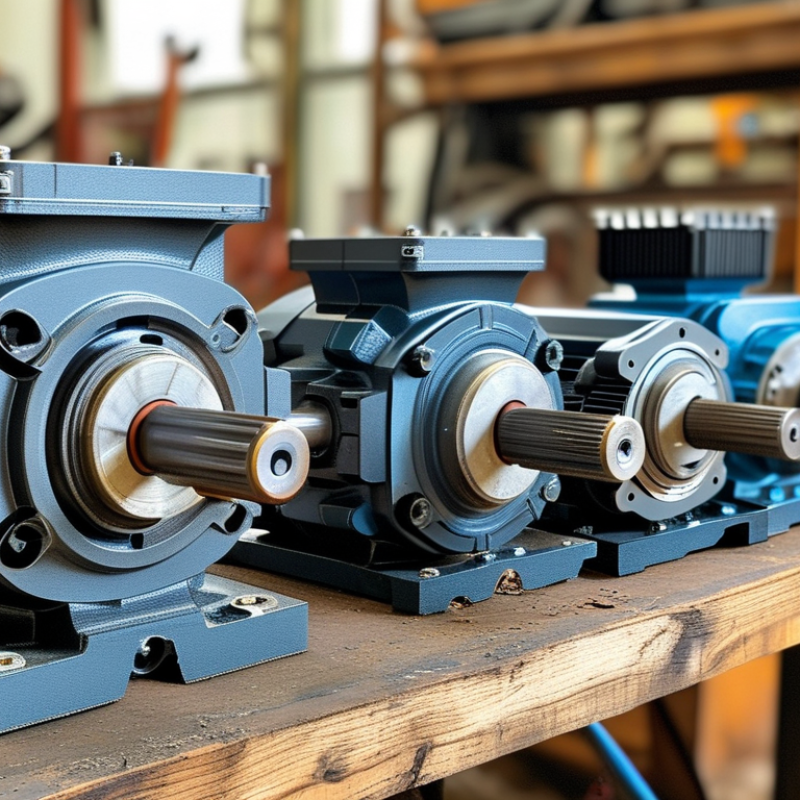
Compact gear motors play a crucial role in various applications. They are designed to provide high torque in a compact form. Understanding their key features helps in making informed decisions. Key aspects include size, power, and efficiency. A motor that is too large may not fit your space; one that is too small may lack power.
Selecting the right gear motor requires careful consideration. Look for motors that offer a good balance between torque and speed. Pay attention to efficiency ratings, as higher efficiency can lead to cost savings. Think about the environment where the motor will operate. Different settings may demand varied levels of durability.
It's essential to research and compare different models. Reading user reviews can provide insights into real-world performance. Do not overlook post-purchase support and warranty options. Ensuring reliable customer service is critical to long-term satisfaction. Evaluate your specific needs and application to find the perfect fit. This process may involve trial and error, but it leads to better outcomes in the long run.
| Feature | Description | Benefits | Typical Applications |
|---|---|---|---|
| Compact Design | Small size with high power density | Space-saving in installations | Robotics, Automation |
| High Efficiency | Optimized gear design for reduced energy loss | Lower operational costs | Conveyor systems, HVAC |
| Versatile Mounting Options | Multiple mounting configurations | Flexibility in design | Manufacturing equipment, Packaging |
| Low Noise Operation | Designed to minimize vibration and noise | Improved working environment | Medical equipment, Office devices |
| Durability | Built to withstand tough conditions | Longer lifespan and reduced maintenance | Agricultural machinery, Industrial applications |
When selecting a compact gear motor, understanding the various types available is crucial. Each type serves different applications, from robotics to small machinery. A recent industry report indicates that the global gear motor market is expected to grow by 10% by 2026. This growth highlights the expanding options available for consumers and manufacturers alike.
Common types of compact gear motors include DC gear motors, stepper gear motors, and servo gear motors. DC gear motors are favored for their simplicity and efficiency in low-torque applications. Meanwhile, stepper gear motors are ideal for precision control. For high-performance needs, servo gear motors offer exceptional responsiveness but may come at a higher cost.
When selecting a compact gear motor, understanding the power and torque requirements for your application is crucial. Power and torque are fundamental parameters that dictate a motor's performance. According to industry reports, nearly 40% of motor failures stem from mismatched power outputs. Assessing your specific needs can help avoid costly mistakes.
To calculate torque requirements, consider factors like load weight, acceleration, and speed. A report from the Electric Motor Association noted that roughly 30% of users underestimate torque needs, which can lead to operational inefficiencies. Precision in these calculations is essential. For instance, if your application demands a torque of 15 Nm but you select a motor offering only 10 Nm, you’ll face performance issues.
Additionally, it's essential to evaluate the duty cycle of the gear motor. Not all applications require continuous operation; some may only need intermittent usage. The National Electrical Manufacturers Association emphasizes that understanding these cycles can significantly impact motor lifespan. Users often overlook this, leading to premature wear and tear. Balancing these factors ensures that your chosen gear motor will not only meet demand but also function reliably over time.
When selecting a compact gear motor, size and weight are critical factors. The motor's dimensions can greatly influence the overall design of your device. According to a recent industry report, choosing a motor that matches your available space can enhance efficiency by up to 30%. A proper fit prevents unnecessary adjustments and optimizes performance. Compact motors typically weigh less, making them ideal for portable applications.
It's essential to assess your project's weight specifications. Lightweight gear motors facilitate easier transportation and installation. Data indicates that for applications requiring mobility, reducing weight by even a few ounces can significantly improve user experience. Keep in mind, however, that less weight may come at the cost of power and torque. Finding a balance is crucial.
Consider the operational environment too. Outdoor or rugged applications may require more robust designs. Materials that withstand wear and tear could add extra weight but will improve long-term reliability. Striking this balance can be challenging. Take your time to evaluate your requirements. Testing different configurations can lead to insightful discoveries about what works best for your needs. Careful consideration of size and weight can make a substantial difference in performance.
Selecting the right compact gear motor involves careful consideration of cost, efficiency, and maintenance factors. According to a 2022 industry report, operational costs constitute around 35% of a motor's lifetime expenses. It is crucial to evaluate initial purchase price alongside long-term electricity usage. A motor with higher efficiency ratings may demand a higher upfront investment but could save significant costs over time. Research shows that motors with 90% efficiency can lower energy consumption by 10-20% compared to less efficient models.
Maintenance cannot be overlooked. Regular inspection and upkeep can extend the lifespan of your motor significantly. Many studies indicate that equipment failures often stem from neglecting maintenance routines. For example, motors experiencing poor lubrication can face a 40% higher failure rate. Additionally, a detailed analysis from the Electric Power Research Institute indicates that proactive maintenance can reduce unforeseen downtime by 30%. Ensuring that the selected gear motor is designed for easy access and quick servicing is vital for optimal performance.
Lastly, while advanced motors offer exceptional performance metrics, they may require specialized knowledge for upkeep. Over-reliance on complex systems could lead to increased training costs for staff. Identifying your specific needs and understanding the intricacies of motor management can help in making informed choices. Balancing these factors is essential for achieving efficient and sustainable motor use.
: The common types are DC gear motors, stepper gear motors, and servo gear motors. Each serves different needs.
Power and torque dictate performance. Mismatched outputs can cause failures, leading to costly mistakes and inefficiencies.
Consider load weight, acceleration, and speed. Underestimating torque can lead to operational issues and performance failures.
Ensure the motor fits your design space. A proper size enhances efficiency and prevents unnecessary adjustments in performance.
Lightweight motors improve mobility and installation. However, reducing weight can compromise power and torque. Balance is key.
Understanding the duty cycle is crucial. Ignoring it can cause premature wear. Not all applications need continuous operation.
Misalignment can lead to performance issues. Consult specialists to assess compatibility and uncover hidden problems.
Select robust materials that withstand wear and tear. They may add weight but can improve long-term reliability and performance.
Yes, oversizing can lead to inefficiencies and higher costs. Always evaluate specific requirements to avoid such mistakes.
Choosing the right Compact Gear Motor for your application requires a comprehensive understanding of its key features and benefits. Compact gear motors are known for their efficiency and versatility, making them suitable for a variety of uses. It's essential to consider the different types of compact gear motors available, as each option may cater to specific needs.
Assessing power and torque requirements is crucial to ensure optimal performance in your application, alongside evaluating size and weight constraints that may impact the overall design. Additionally, cost, efficiency, and maintenance are vital factors that should be weighed during the selection process. By considering these aspects, you can make an informed decision and choose the best compact gear motor that aligns with your operational demands.
