RACB Motor
In the realm of industrial machinery, choosing the right motor is crucial. Among the various options available, Other Gear Motor stands out for its versatility and efficiency. A good gear motor can transform operations, reducing energy consumption while enhancing performance.
Many industries face unique challenges. The right gear motor can address specific needs, from high torque applications to precision tasks. Other Gear Motor provides customization options that standard motors often lack. This adaptability makes it a valuable choice for companies striving to improve operational efficiency.
However, not all gear motors are created equal. Evaluating factors such as build quality and compatibility is vital. Some users may find that a seemingly simple choice leads to unforeseen complications. Reflecting on past decisions can reveal lessons learned. Making an informed choice about gear motors, especially Other Gear Motor, could change business outcomes dramatically.
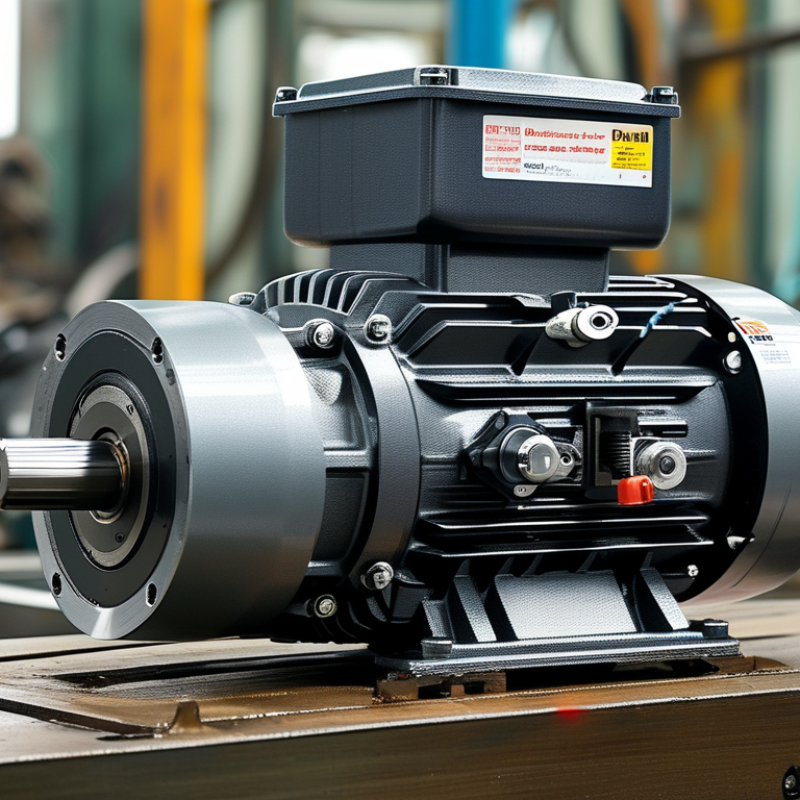
Alternative gear motors offer unique advantages for industrial applications. These motors are often more efficient, providing better performance in specific tasks. For instance, they can handle diverse loads, making them suitable for various machinery. Industries benefit from reduced energy costs as these motors often operate at lower power levels while maintaining output.
Another notable advantage is their adaptability. Many alternative gear motors can be customized to fit specific needs. This flexibility allows engineers to optimize systems for unique operational demands. However, one must consider compatibility with existing equipment. This process can sometimes lead to unexpected challenges and require adjustments in the interface.
Moreover, reliability is a key factor. While alternative designs may introduce novel technologies, they can sometimes raise questions about long-term durability. Users should thoroughly evaluate their choices to ensure optimal performance. Understanding the potential trade-offs is essential for achieving desired results in heavy-duty applications.
Choosing the right drive solution is crucial for industrial applications. Gear motors are popular, but other options exist. In recent years, the global market for gear motors has seen steady growth, reaching approximately $10 billion in 2022, according to industry reports. However, alternatives like servo motors and direct drive systems also show promise. These solutions can offer higher efficiency and precision.
One key consideration is energy efficiency. Studies indicate that servo motors can achieve up to 90% efficiency under optimal conditions. Gear motors typically range from 80% to 85%. This difference can significantly impact long-term operational costs, especially in high-demand environments. Precision control is another area where servo motors excel, making them suitable for tasks requiring exact positioning.
**Tip:** Regularly evaluate your operational needs. Sometimes, gear motors may not meet precision or efficiency requirements. Engage with experts to understand potential limitations in your current setup. Furthermore, consider the maintenance costs associated with each option; servo motors may require specialized knowledge for repairs. Understanding these dynamics can greatly enhance decision-making.
When selecting gear motors for industrial applications, several key factors come into play. The intended application defines the type of gear motor needed. For instance, an assembly line might demand a motor with high torque. In contrast, precision tasks may require a motor with fine control capabilities. Each application has unique requirements that directly influence motor choice.
Another important consideration is the environment. Gear motors operate in diverse conditions, from temperature extremes to exposure to dust and moisture. Choosing a motor designed for specific environmental challenges enhances reliability. If a motor fails prematurely, it can lead to costly downtimes. Therefore, understanding the operational context is crucial for effective selection.
Efficiency also plays a significant role. A motor's energy consumption can drastically affect operational costs. Selecting an efficient gear motor promotes sustainability. However, not all high-efficiency models perform well under varying loads. It’s essential to evaluate performance data under realistic scenarios to ensure optimal functionality. Balancing efficiency with practical application helps avoid the pitfalls of overspending on unsuitable technology.
Choosing the right gear motor for industrial applications hinges on specific requirements unique to each industry. Factors such as load size, speed, and environmental conditions play crucial roles in selection. For instance, food processing may require motors with hygienic designs, while mining operations need ruggedness and durability. Understanding these intricacies ensures operational efficiency and longevity of equipment.
**Tip:** Always consider the working environment. Temperature extremes or exposure to corrosive materials can affect motor performance.
Another consideration is the motor's energy efficiency. Industrial processes generate significant costs in energy consumption. Selecting a motor that operates efficiently can lead to substantial savings over time. However, balancing efficiency with torque requirements is often a challenge. Some motors may underperform under heavy loads.
**Tip:** Perform a load analysis before making a decision. This can help identify potential underperformance issues early on.
Regular maintenance is also vital for gear motors. Neglected components can lead to failure and costly downtime. Selecting a motor with easy access to maintenance points can simplify upkeep.
| Industry | Gear Motor Type | Power Rating (kW) | Gear Ratio | Efficiency (%) |
|---|---|---|---|---|
| Agriculture | Helical Gear Motor | 5.5 | 15:1 | 90 |
| Manufacturing | Bevel Gear Motor | 7.5 | 20:1 | 92 |
| Food Processing | Planetary Gear Motor | 3.0 | 30:1 | 95 |
| Textiles | Worm Gear Motor | 2.2 | 50:1 | 88 |
| Construction | AC Gear Motor | 15.0 | 10:1 | 89 |
Innovations in gear motor technology are rapidly transforming industrial operations. Many industries are shifting towards more efficient and versatile gear motors. According to a report from Research and Markets, the global gear motor market is expected to grow by 5.2% annually through 2026. This growth highlights a strong demand for advanced solutions that enhance productivity.
One of the most significant innovations is the development of compact and lightweight gear motors. These designs not only reduce energy consumption but also maximize space efficiency in machinery. For instance, smaller gear motors can deliver higher torque without increasing overall weight. Additionally, advancements in materials like composites help in reducing friction and wear, leading to longer durability.
Tips for selecting gear motors include considering the specific application and load requirements. Understanding torque ratings and speed ranges is crucial for optimal performance. Regularly assessing your current equipment can reveal opportunities for upgrades, which can improve energy efficiency. This process may uncover inefficiencies, prompting a reevaluation of gear motor specifications. Embracing these innovations ensures that your industrial operations stay competitive.
: They are often more efficient and handle diverse loads. This leads to reduced energy costs, improving overall machinery performance.
Many can be customized for specific needs, allowing optimization for unique tasks. However, compatibility with existing equipment can be a challenge.
Reliability affects long-term durability. Evaluating choices carefully can help ensure optimal performance, especially in heavy-duty applications.
Consider the intended application, environmental conditions, efficiency, and specific load requirements when choosing a gear motor.
Motors face varied conditions such as temperature extremes and dust exposure. Choosing the right motor enhances reliability and reduces downtimes.
Not always. It’s crucial to evaluate performance data in realistic scenarios to ensure that the motor fits your specific needs.
Compact and lightweight designs reduce energy consumption and save space. Advanced materials help improve durability, making them suitable for demanding applications.
Regular assessments can reveal inefficiencies and opportunities for upgrades. This process may uncover the need for better specifications.
The global gear motor market is projected to grow annually by 5.2% through 2026, indicating a demand for more advanced solutions.
Understanding torque ratings and speed ranges is essential. Balancing performance and efficiency helps avoid overspending on unsuitable options.
In the realm of industrial applications, the selection of the right drive solution is critical for efficiency and productivity. The article "Why Choose Other Gear Motors for Your Industrial Needs?" highlights the advantages of alternative gear motors, emphasizing their effectiveness compared to traditional gear motors. It delves into a comparative analysis that showcases how other gear motors can offer superior performance in specific contexts, addressing various industry demands.
Key factors such as torque requirements, speed variations, and operational efficiency are crucial when considering gear motor options. The article also discusses industry-specific needs that influence gear motor selection, ensuring a tailored approach for different sectors. Finally, it explores innovations in gear motor technology, illustrating how these advancements can enhance reliability and functionality, making other gear motors an appealing choice for modern industrial requirements.
