RACB Motor
In the world of automation, the "Robotic Gear Motor" plays a crucial role. Dr. Emily Thompson, an expert in robotics, once said, "The efficiency of robotic movements largely depends on the gear motor's design." This statement highlights the importance of these components in robotic systems.
Robotic gear motors are designed to provide precise control over movement. These motors combine a motor with gears to optimize torque and speed. This allows robots to perform complex tasks with great accuracy. However, the selection of the right gear motor can be challenging. It requires a balance between power and speed, making choices critical.
Despite the advancements in technology, there are still limitations. Not all gear motors meet every application's needs. Engineers often face trade-offs, such as size versus power output. Understanding these nuances is vital for creating effective robotic solutions.
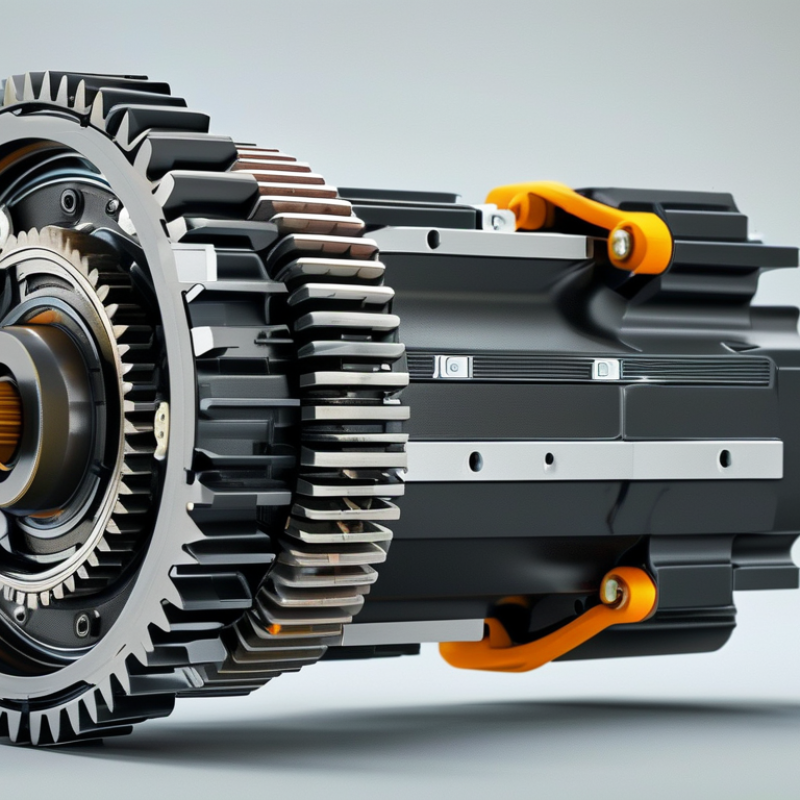
Robotic gear motors are essential components in various robotic applications. These motors convert electrical energy into mechanical motion with the aid of gears. This mechanism helps increase torque while decreasing speed, making them suitable for tasks that require precision. Unlike standard motors, gear motors can handle heavier loads and provide more control over movement.
When considering the design of a robotic gear motor, it is crucial to understand the gear ratio. A higher gear ratio results in greater torque but lower speed. It's a balancing act that requires careful thought based on the robot's intended use. Selecting the right ratio significantly affects performance and energy efficiency.
Sometimes, issues arise with motor installation or configuration. Inspect your connections and ensure they are secure. Misalignment can lead to reduced efficiency and increased wear. Regular maintenance and careful adjustment of gear settings can help extend the lifespan of these components. A well-maintained gear motor ensures reliable robot performance.
A robotic gear motor is a vital component in many automation systems. Its design integrates various elements that work together to convert electrical energy into mechanical motion. The key components include the motor, gearbox, and control circuitry. The motor itself provides the fundamental power. However, it is the gearbox that amplifies this power, enabling precise control over speed and torque.
The gearbox consists of gears that mesh together to adjust the output speed. Different gear ratios influence performance. For example, a high gear ratio increases torque but reduces speed. The control circuitry receives signals from sensors, allowing for real-time adjustments in motor function. This interconnected design demands careful consideration. An improper gear ratio may lead to mechanical strain or inefficiency.
Still, the design of robotic gear motors is not without challenges. Engineers must strike a balance between size, weight, and power capacity. For instance, compact motors may sacrifice torque for space. The integration of advanced materials can enhance performance, but it increases costs. As technology advances, continuous reflection on these design choices becomes necessary. Evaluating the trade-offs can lead to even better, more efficient robotic systems.
Robotic gear motors play a crucial role in various applications, particularly in robotics and automation. These devices convert electrical energy into mechanical energy. They use a combination of gears and a motor to increase torque while reducing speed. This mechanical arrangement allows for precise control over movement and force.
Gears are essential because they change the motor’s output to suit specific tasks. When the motor rotates, it drives the gears which then turn at different speeds. The resulting motion can be linear or rotational, depending on the arrangement. Understanding how these gears mesh and interact is vital for optimizing performance.
Tips for selecting the right gear motor include assessing your load requirements. Consider factors like weight and speed. Don't overlook the importance of efficiency in your application. Calculating torque needs is crucial because it impacts the motor's performance. Experimentation can lead to better insights as different gear configurations can yield varying results.
Robotic gear motors play a crucial role in various applications within the field of robotics. Their design combines motors and gear systems, enabling robots to efficiently convert electrical energy into rotational motion. This characteristic is vital for tasks requiring precise control and high torque, such as in robotic arms or autonomous vehicles.
In the field of automation, robotic gear motors drive assembly lines and manufacturing processes. They help in manipulating parts with accuracy and speed. Additionally, in service robots, these motors allow for seamless movement and interaction with objects and environments. Their compact size makes them ideal for integrating into smaller robots, enhancing mobility without sacrificing power.
Despite their advantages, there are challenges to consider. Gear wear can reduce performance over time, requiring periodic maintenance. Moreover, precise calibration is essential; even small errors can lead to significant inaccuracies in robotic tasks. Addressing these issues is vital for optimizing their functionality in demanding applications. Understanding these nuances helps in improving the design and deployment of robotic gear motors in the future.
Robotic gear motors play a crucial role in modern automation and robotics. Their ability to convert electrical energy into mechanical power makes them invaluable across various applications. However, they come with both advantages and limitations that deserve attention.
One significant advantage is their efficiency. Gear motors can generate high torque while maintaining a compact size. This feature is vital in robotics, where space is often limited. Additionally, they offer precise speed control, enabling smooth operation. Despite these benefits, robotic gear motors can be noisy. This noise can be distracting, especially in applications requiring a quiet environment.
Another limitation is the heat generated during operation. Excessive heat can lead to performance issues and shorten the motor's lifespan. It's essential to consider cooling mechanisms if motors are used for prolonged periods. Moreover, maintenance is required to ensure optimal performance. Over time, wear and tear can affect efficiency, necessitating regular checks and replacements. These considerations highlight the importance of thoroughly assessing the suitability of gear motors for specific applications.
: They are used in robotics for tasks like controlling robotic arms and driving autonomous vehicles.
Smaller motors enhance mobility in robots without losing power, crucial for tight spaces.
They can generate high torque efficiently while maintaining precise speed control.
They can be noisy, which may not be suitable for quiet environments.
Regular checks are necessary due to potential wear and tear that impacts performance.
Excessive heat can lead to performance issues and shorten the motor's lifespan.
Small calibration errors can lead to significant inaccuracies in robotic tasks.
Gear wear can reduce performance, necessitating maintenance and recalibrations.
They drive assembly lines, enabling rapid and precise manipulation of parts.
Cooling mechanisms are essential to prevent overheating and maintain motor efficiency.
A Robotic Gear Motor is a specialized electric motor designed to provide high torque and precise movement in robotic applications. Comprised of various components such as gears, shafts, and housing, these motors convert electrical energy into mechanical energy through a series of gear reductions, enhancing their performance and efficiency. Their unique design allows for controlled and smooth movement, which is essential for the functionality of robotic systems.
Robotic Gear Motors are widely utilized in various robotics applications, ranging from automated machinery to robotic arms and drones. They offer several advantages, including compact size, high torque output, and adaptability to different tasks. However, they also come with limitations such as potential complexity in integration and the need for precise control systems. Overall, Robotic Gear Motors play a crucial role in advancing robotics technology, enabling more sophisticated and versatile robotic solutions.
