RACB Motor RACB Motor

Top 10 Best Selling Motor Options for Global Buyers

Time:2026-08-11 Author:Oliver
0%

The global automotive industry is in constant evolution, driven by consumer preferences and technological advancements. Recent reports from industry analysts indicate that the market for motor options is expanding rapidly. In 2022, the global market for automotive motors reached an estimated value of $40 billion, with expectations to grow significantly by 2027. This surge highlights the demand for efficient and innovative motor solutions among buyers worldwide.

Among these, the "Top Sale Motor" options stand out due to their reliability and performance. Buyers seek motors that not only offer power but also enhance efficiency and reduce environmental impact. However, with numerous choices available, selecting the best motor can be challenging. Some may overlook essential features, such as energy consumption and maintenance requirements.

Understanding the preferences of global buyers is crucial. Industry data suggests that buyers prioritize durability, brand reputation, and after-sales support. As the market becomes saturated with options, differentiating between quality motors and less reliable models requires careful consideration. Re-evaluating needs and conducting thorough research can lead to better purchasing decisions.
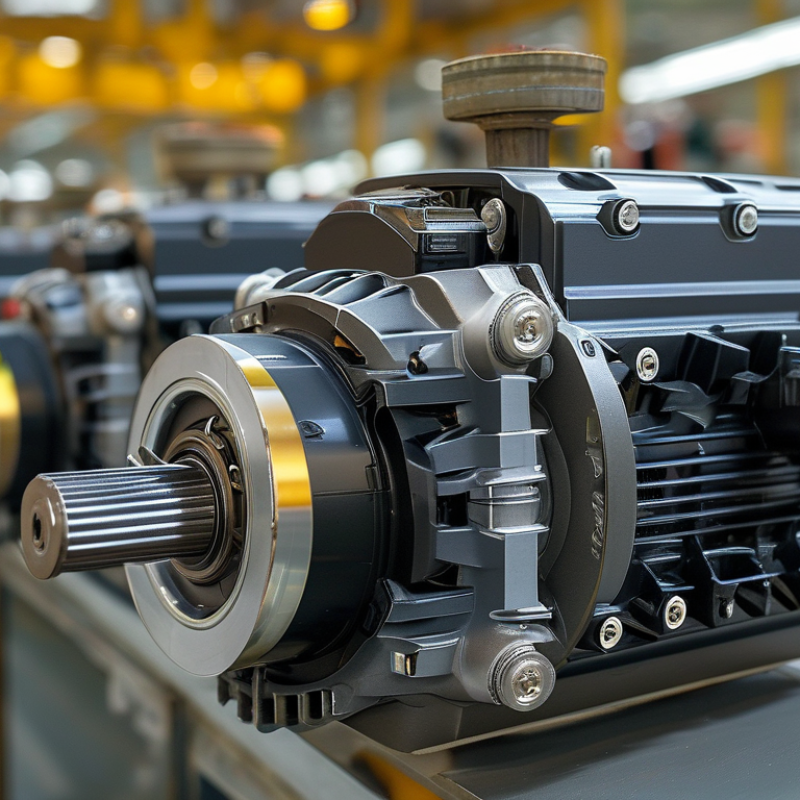
Top 10 Best Selling Motor Options for Global Buyers

Overview of Global Motor Market Trends and Consumer Preferences

The global motor market shows notable trends in consumer preferences as buyers prioritize efficiency and sustainability. According to a recent report by Global Industry Analysts, the electric motor segment is projected to grow significantly, with a compound annual growth rate of 5.4% through 2028. This shift reflects a rising consumer demand for eco-friendly options in transportation.

In addition, automation is driving growth in various sectors. Industrial applications are embracing smart motors that improve operational efficiency. Data from MarketsandMarkets suggests that the market for smart motors could exceed $50 billion by 2025. Manufacturers are focusing on integrating AI technologies and sensor systems to deliver precise performance.

Tip: When selecting a motor, prioritize energy efficiency ratings over initial costs. A purchase that saves energy can lead to lower operating costs over time.

While many consumers lean towards advanced motor technologies, some challenges remain. The complexity of integrating new technologies can deter buyers. Notably, the availability of skilled technicians to maintain these systems is a growing concern.

Tip: Always assess your local support network for advanced motors before making a commitment. This can mitigate future service challenges.

As buyers navigate these preferences, they should remain aware of their equal importance to performance and sustainability in motor choices. Finding the right balance can be crucial for long-term satisfaction.

Analysis of Engine Types: Gasoline, Diesel, and Electric Motors

The landscape of motor options is diverse and evolving. Gasoline engines remain popular due to their widespread availability. They offer quick refueling and are often found in sports cars. However, they produce significant emissions, raising environmental concerns. In urban areas, noise and air pollution are pressing issues.

Diesel motors provide a more fuel-efficient alternative. They are known for their durability and torque, making them ideal for heavy-duty vehicles. Despite these advantages, diesel engines face scrutiny over emissions, including nitrogen oxides and particulates. Buyers increasingly consider cleaner alternatives, leading to a shift in preferences.

Electric motors are on the rise, driven by advancements in battery technology. They offer zero tailpipe emissions, significantly reducing environmental impact. Yet, charging infrastructure is still developing in many regions. Range anxiety is a common concern among potential buyers. As technology improves, electric options are likely to gain more traction worldwide.

Top 10 Best Selling Motor Options: Features and Specifications

When considering motor options, buyers should focus on features and specifications that meet their unique needs. Motors vary widely in performance, efficiency, and durability. A high torque rating can be crucial for heavy-duty applications. Look for models with reliable materials, as they often determine lifespan.

Efficiency is another key factor. Motors with better efficiency ratings can save energy and reduce costs over time. Some motors even integrate smart technology, offering enhanced control and diagnostics. This technology can be beneficial for monitoring performance.

Tips: Always research the motor’s load capacity to ensure it meets your requirements. Conduct thorough comparisons based on performance data. Remember, sometimes a high initial price reflects better long-term value. Don't overlook the importance of after-sales support. A motor should not just perform well initially; it should also have a promising maintenance plan.

Top 10 Best Selling Motor Options for Global Buyers

Motor Type Power Output (kW) Torque (Nm) Efficiency (%) Weight (kg)
Electric Motor 100 300 90 50
Gasoline Engine 120 250 35 120
Diesel Engine 150 400 40 180
Hybrid Motor 110 350 70 90
Stepper Motor 60 100 80 25
AC Induction Motor 200 500 92 150
DC Motor 80 200 75 45
Synchronous Motor 160 450 88 110
Brushed Motor 90 250 70 60
brushless Motor 130 300 85 55

Comparative Pricing Analysis of Leading Motor Models

In the ever-evolving market of motors, pricing remains a pivotal factor for global buyers. When evaluating various motor options, understanding the nuances of pricing can be complex. Several models stand out due to their competitive pricing and performance metrics. Buyers must assess not only the upfront costs but also the long-term value and maintenance expenses involved.

A comparative analysis reveals distinct price ranges among leading motor models. Some motors may appear affordable at a glance. However, hidden costs like parts and repairs can add up significantly. It's crucial for buyers to reflect on their actual needs. Performance capabilities and reliability should align with budget constraints. This reflective approach ensures that the motor chosen not only fits well within financial limits but also meets performance expectations effectively.

Navigating this landscape requires diligence. With various factors at play, it's easy to feel overwhelmed. The choice could depend more on individual circumstances than on generic recommendations. Buyers should prioritize thorough research, weighing both immediate and future needs carefully. In doing so, a more informed decision will likely be achieved.

Impact of Environmental Regulations on Motor Sales and Choices

Environmental regulations significantly influence motor sales and consumer choices worldwide. A report from the International Energy Agency states that electric vehicle (EV) sales surged by 43% in 2020. This shift is largely driven by stricter emissions standards. Countries are increasing regulations to combat climate change. For example, the European Union aims to reduce CO2 emissions from cars by 55% by 2030 compared to 2021 levels.

Market research highlights that 70% of consumers now consider environmental impact when purchasing. However, there's a gap in availability and affordability of eco-friendly options. Electric motors still represent a smaller market share compared to traditional combustion engines. The average cost of an EV remains about 20% higher than gas-powered vehicles. This reflects a challenge for many buyers.

In regions heavily pushing for zero-emission goals, such as California, the sales of hybrid motors face competition from fully electric models. Yet, many consumers express concerns over charging infrastructure. The discrepancy between technology and accessibility poses a dilemma for buyers. As regulations tighten, manufacturers must innovate to meet both market demand and compliance.

Top 10 Best Selling Motor Options for Global Buyers

FAQS

: What features should I consider when choosing a motor?

: Focus on performance, efficiency, and durability. High torque ratings are essential for heavy-duty tasks.

Why is motor efficiency important?

Better efficiency saves energy and reduces long-term costs. It directly impacts your operating expenses.

How can I ensure a motor meets my needs?

Research load capacities and compare performance data carefully. It’s vital for proper selection.

What should I know about motor pricing?

Consider not just initial costs but also long-term maintenance. Hidden costs can add up significantly.

How do environmental regulations affect motor choices?

Stricter regulations promote the shift to electric vehicles, influencing consumer preferences and sales.

Are electric motors more expensive than traditional options?

Yes, they often cost about 20% more than gas-powered vehicles, presenting affordability challenges for buyers.

What role does after-sales support play in motor selection?

It’s crucial for maintenance and long-term reliability. A good plan can enhance the motor’s overall lifespan.

How can I navigate motor buying amidst overwhelming options?

Prioritize thorough research. Reflect on your unique circumstances to make a more informed choice.

Why might high initial prices be worth consideration?

They may reflect better long-term value, especially for performance and durability.

What challenges do consumers face with eco-friendly motors?

There’s often a gap in availability and concerns over charging infrastructure, affecting adoption rates.

Conclusion

The article examines the dynamic global motor market, highlighting key trends and consumer preferences that influence motor sales. It provides a comprehensive analysis of different engine types, namely gasoline, diesel, and electric motors, showcasing their respective features and specifications. The discussion on the "Top Sale Motor" options emphasizes their competitive pricing and the factors driving their popularity among buyers.

Additionally, the article delves into the impact of environmental regulations on motor choices, illustrating how sustainability concerns are reshaping consumer behavior and preferences. As the market evolves, understanding these trends is crucial for potential buyers to make informed decisions in a rapidly changing automotive landscape.

Oliver

Oliver

Oliver is a seasoned marketing professional with a wealth of expertise in driving brand awareness and engagement. With a deep understanding of our company's product offerings, he consistently delivers high-quality content that enriches our professional blog. His insights not only shed light on......