RACB Motor
Selecting the right supplier matters when a compact drive must deliver steady torque inside a tight enclosure. A Miniature Gear Motor may power a surgical instrument, inspection camera, robotic joint, smart lock, or laboratory pump. Each application demands different trade-offs.
Dr. Urs Kafader, a recognized miniature-drive specialist, once said, “A motor is only as good as the system it drives.” That principle guides this review. Gear ratio, backlash, noise, thermal behavior, shaft loading, and service life deserve equal attention. A small motor is not automatically a suitable motor.
This guide examines ten influential Miniature Gear Motor suppliers worldwide. It considers engineering depth, product range, customization, manufacturing consistency, documentation, and after-sales support. Companies such as maxon, Faulhaber, Portescap, Nidec, Mabuchi, and other established manufacturers receive attention for different strengths. Some excel in precision motion. Others compete through volume, cost, or rapid customization.
Real experience often exposes details that catalogs hide. Connector orientation can affect assembly time. A gearbox may become noisy after repeated reversing. A seemingly minor shaft tolerance can disturb an entire mechanism. These points are easy to overlook.
The ranking is useful, but it is not absolute. Supplier suitability changes with voltage, duty cycle, environment, and production volume. Even respected brands may not fit every project. That is the uncomfortable part.
Readers should verify current specifications, certifications, lead times, and sample performance before purchasing. This introduction begins a practical comparison, not a final verdict. Mistakes happen when buyers compare only speed and price. Reliable selection requires testing the complete motor-and-gearbox system under real operating conditions.
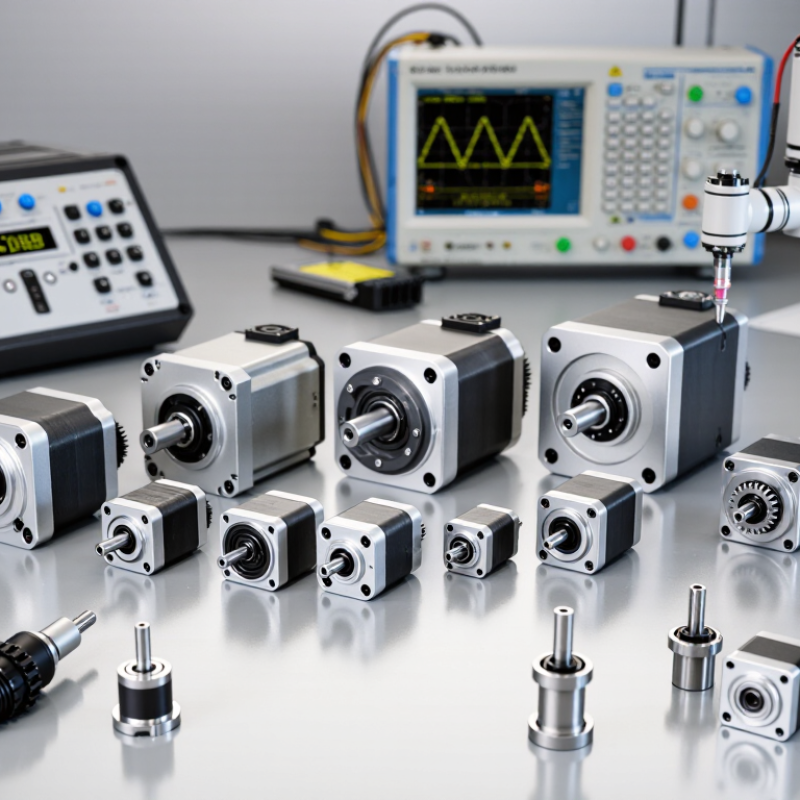
A miniature gear motor combines a compact electric motor with a reduction gearbox. The motor spins quickly, while the gears trade speed for usable torque. Small, but powerful. A high reduction ratio creates stronger output movement, though it usually lowers speed and efficiency. Designers must also consider gear noise, backlash, shaft load, and operating temperature.
In a small robotic gripper, the motor may turn a lead screw with controlled precision. In a camera module, it can adjust focus or lens position smoothly. Miniature gear motors also operate valves, laboratory instruments, smart locks, medical pumps, and automated vents. Bench testing often reveals details that catalogs miss. Heat changes everything. Continuous operation can increase resistance, reduce lubricant life, and shorten service life.
When comparing worldwide suppliers, engineers should request torque curves, rated duty cycles, gearbox materials, and inspection data. Matching the motor to the real load matters more than choosing the highest listed torque. A motor that stalls repeatedly may fail even when its peak rating appears suitable. Designers sometimes overlook startup current and shaft alignment. That mistake is common. Reliable suppliers should provide samples, dimensional drawings, traceability, and realistic performance data. Still, no datasheet replaces testing inside the finished product, especially where vibration, dust, or frequent direction changes are present.
Representative output-speed ranges for common miniature gear motor applications
A miniature gear motor combines a compact electric motor with a reduction gearbox. The gearbox lowers motor speed and increases usable output torque, allowing precise motion in space-constrained products. Actual values vary with motor size, gear ratio, load, duty cycle, and gearbox design. The ranges shown represent commonly encountered engineering values rather than data from any specific supplier or brand.
Selecting a miniature gear motor supplier requires more than comparing catalog prices. According to the International Energy Agency, electric motor systems consume nearly 70% of industrial electricity. Small efficiency differences can therefore affect operating costs across thousands of devices. Check rated torque, speed stability, gearbox backlash, noise, thermal limits, and measured efficiency under real loads. Ask for test curves, not only nominal values.
MarketsandMarkets projects the global gear motor market to grow from about USD 27 billion in 2023 to nearly USD 40 billion by 2028. This expansion increases supplier choice, but also increases documentation risk. Evaluate production capacity, traceability, incoming inspection, and failure analysis procedures. ISO 9001 certification supports process consistency, while IEC 60034 requirements help structure motor performance comparisons. Certification alone is not proof of reliable field performance.
Request samples from the same production line used for volume orders. Test them during start-stop cycles, stall conditions, and temperature changes. Watch the gearbox closely. A supplier should provide service life data, tolerance ranges, material details, and clear warranty terms. Grand View Research identifies efficiency and application-specific design as major market drivers. Customization can help, yet it may extend lead times and complicate replacement planning. I would not trust an impressive prototype without production evidence. That lesson is easy to forget.
Top 10 Miniature Gear Motor Suppliers Worldwide
The worldwide miniature gear motor market is expanding with robotics, medical devices, smart appliances, and compact automation. MarketsandMarkets estimated the broader gear motor market would grow at roughly 5% annually through 2028. Market estimates differ, however. Product definitions are not always consistent.
The top 10 suppliers should be assessed beyond catalog size. Engineering experience matters. Look for tested torque curves, backlash data, noise readings, and thermal limits. A reliable supplier should provide drawings, tolerances, life testing, and traceable quality records. According to the International Energy Agency, electric motors and related systems consume about 45% of global electricity. Even small motors deserve efficiency checks.
Real selection work often begins with the load. A 12-volt motor driving a miniature conveyor may need high starting torque, not impressive no-load speed. Confirm gear ratio, duty cycle, shaft load, mounting space, and operating temperature. Ask for samples. Then test them under repeated starts, dust exposure, and side loading. Laboratory figures can look perfect. Production conditions rarely do. Supplier rankings also require caution, because delivery stability and after-sales engineering support are difficult to measure from public data alone.
The leading ten suppliers differ widely in product range, customization, and production depth. Most offer spur, planetary, worm, and brushless gear motors. Common options include 6V, 12V, and 24V systems, with torque ratings from light-duty movement to demanding automation. Ask for speed-torque curves, gearbox efficiency, noise data, and service-life testing. Catalog values alone are not enough.
Customization often separates a capable supplier from a reseller. Engineers may specify shaft length, gear ratio, mounting holes, encoder feedback, connector type, sealing, or cable direction. A useful supplier supports prototype quantities before full production. Samples reveal more. During evaluation, compare actual stall torque, no-load current, backlash, and temperature rise under identical loads. I have seen small connector changes create unexpected assembly delays.
Manufacturing capability also matters when volumes increase. Look for in-house winding, gear cutting, CNC machining, injection molding, assembly, and end-of-line testing. Automated inspection can control concentricity and gear noise, while traceable batch records improve reliability. Ask how suppliers manage rejected parts, process changes, and corrective actions. A polished factory tour may still hide weak documentation. Independent audits, inspection reports, and repeat sample testing provide stronger evidence. Some suppliers promise tight tolerances but cannot maintain them across seasonal production changes. That limitation deserves discussion before approval.
Selecting the top 10 miniature gear motor suppliers requires more than comparing unit prices. Quality begins with measurable evidence: torque curves, gearbox backlash, no-load current, noise, and endurance results. ISO Survey 2022 recorded more than 1.2 million ISO 9001 certificates worldwide, but certification alone does not prove product consistency. Ask for batch-level inspection records and sample test reports.
Pricing should include tooling, minimum order quantities, shipping, customs, and replacement costs. A motor that costs 12% less may become more expensive after unstable tolerances or delayed deliveries. The World Bank’s Logistics Performance Index 2023 assessed 139 economies and highlighted significant differences in shipment reliability and clearance speed. Suppliers with regional warehouses can reduce production interruptions, even when their quoted prices appear higher.
Small detail. Big effect.
Technical support also separates capable suppliers from simple traders. Look for engineering assistance with voltage selection, load matching, thermal limits, and mounting changes. The U.S. Department of Energy reports that motor-driven systems consume more than half of industrial electricity in the United States, making efficiency and operating life commercially important. However, supplier claims still need verification. Request drawings, life-test conditions, failure data, and response-time commitments. Global reach matters, but local application knowledge may matter more.
It combines a compact electric motor with a reduction gearbox. The motor spins quickly, while gears increase usable torque. Small, but not effortless.
A higher reduction ratio usually produces stronger output movement. It also lowers speed and may reduce efficiency. The correct ratio depends on the real load.
They operate robotic grippers, camera focus systems, valves, laboratory instruments, smart locks, medical pumps, and automated vents. Each application has different load and precision needs.
Check torque curves, speed, backlash, noise, shaft load, duty cycle, temperature limits, and gearbox materials. Peak torque alone can mislead. Rated performance matters more.
Heat, vibration, dust, and repeated direction changes can alter performance. Continuous operation may increase resistance and shorten lubricant life. Catalog figures can look perfect.
Repeated stalling can damage a motor, even when its peak rating seems suitable. Startup current and shaft alignment also deserve attention. That mistake is common.
Engineers may request different shaft lengths, gear ratios, mounting holes, connectors, cable directions, sealing, or encoder feedback. Prototype samples can expose assembly problems early.
Ask about gear cutting, winding, machining, molding, assembly, and end-of-line testing. Request drawings, inspection reports, traceable batch records, and corrective-action procedures. A polished factory tour is not enough.
Compare samples under identical loads. Measure stall torque, no-load current, backlash, temperature rise, noise, and dimensional fit. Test repeated starts and side loading too. I would not rely on one sample.
This article provides a practical overview of the global Miniature Gear Motor market, explaining how these compact devices convert electrical energy into controlled torque and motion. It explores their common applications in robotics, medical equipment, automation systems, consumer electronics, automotive components, and other space-constrained products. Readers will also learn which factors matter when evaluating international suppliers, including motor performance, gear structure, efficiency, durability, quality control, certifications, production capacity, and engineering expertise.
The guide compares ten leading supplier categories and examines their product ranges, customization options, manufacturing capabilities, and ability to support specialized requirements. It also highlights how to assess suppliers based on quality consistency, pricing transparency, lead times, technical service, after-sales support, and global distribution reach. By considering these criteria together, buyers can identify reliable partners, balance performance with cost, and select a Miniature Gear Motor solution that fits their application, production volume, and long-term business objectives.
