RACB Motor RACB Motor

Top Tips for Choosing the Best Brushless Gear Motor?

Time:2026-07-12 Author:Henry
0%

Choosing the right Brushless Gear Motor can significantly impact your project's success. These motors offer high efficiency and longevity, making them popular in various applications. However, selecting the best option requires careful consideration.

You might feel overwhelmed by the many choices available. It's essential to understand your specific needs before diving in. Factors such as torque, speed, and size play crucial roles. Consider how each parameter aligns with your requirements. Do your homework; manufacturers' specifications can sometimes be misleading.

Moreover, think about reliability and support from the supplier. A trusted brand can make a difference. Reading reviews helps gauge others' experiences. Remember, even the best motors can have limitations. Reflect on what works for your application. This thought process will lead you to a suitable Brushless Gear Motor that meets both your needs and expectations.
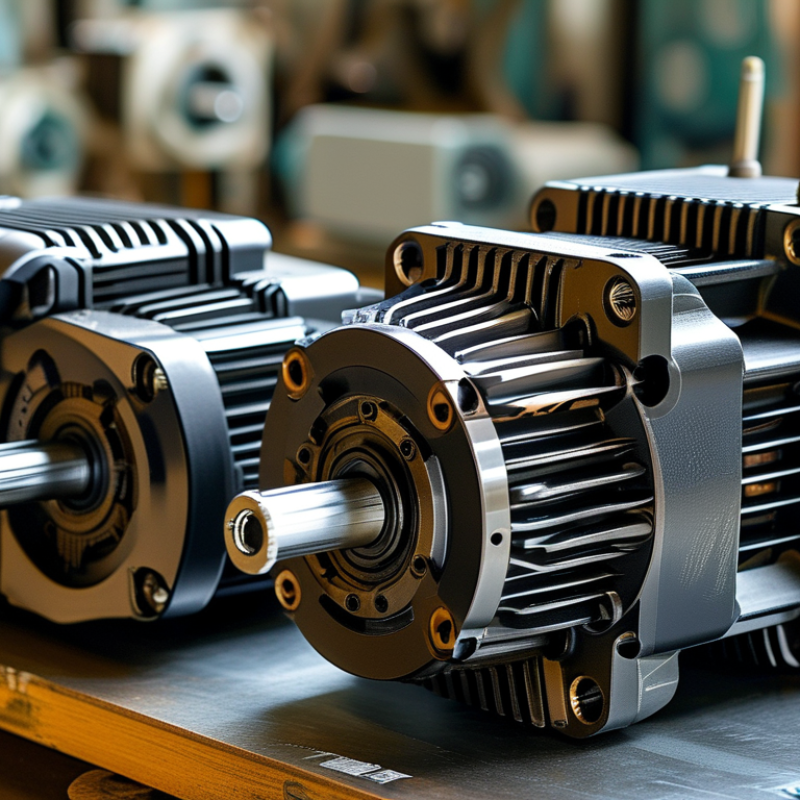
Top Tips for Choosing the Best Brushless Gear Motor?

Understanding Brushless Gear Motors: An Overview

Brushless gear motors are gaining popularity in various applications due to their efficiency and reliability. These motors use electronic commutation, which eliminates the need for brushes. This results in less maintenance and longer lifespan. Understanding their components is crucial. The gear mechanism reduces speed while increasing torque, making them ideal for robotics, drones, and conveyor systems.

When selecting a brushless gear motor, consider torque requirements and speed ranges. Take note of the installation space, as size can be a limiting factor. You must also assess the control methods. Some motors allow for easy integration with microcontrollers, enhancing versatility. The performance often varies by application, so testing is vital.

Keep in mind that not all brushless motors are built equally. While some may boast high efficiency, they could perform poorly under heavy loads. It’s essential to analyze specs and consider the operating environment. Crafting a balance between power, size, and efficiency is challenging. Each choice affects performance, making thoughtful evaluation key.

Key Specifications to Consider When Selecting a Brushless Gear Motor

Selecting the right brushless gear motor involves understanding various key specifications. One critical aspect is torque. Torque indicates the motor's ability to perform tasks efficiently. According to a report by the International Electrotechnical Commission, optimal torque ratings enhance performance by up to 20%. This makes it essential to align motor torque with application needs.

Another important specification is the motor’s speed range. A broader speed range allows for more flexibility in applications. A study published in the IEEE Transactions on Industrial Electronics shows that motors with adjustable speeds can improve energy efficiency by approximately 15%. Manufacturers often overlook this, but matching the speed range with the intended use can prevent inefficiencies.

Considering the power rating is also crucial. A motor with high power ratings typically offers better performance but can lead to increased energy consumption. This necessitates a balance between power and efficiency. An ASME report highlights that inefficient motor designs can waste up to 30% of energy. Therefore, potential buyers should critically assess these specifications to improve operational costs and reduce environmental impact.

Evaluating Torque and Speed Requirements for Your Application

When selecting a brushless gear motor, evaluating torque and speed requirements is crucial. Torque is the force that the motor can exert, while speed determines how quickly it can perform work. Understanding the specific needs of your application will enable you to choose the right motor.

According to industry reports, optimal torque ratings vary significantly across different applications. For instance, robotics may require high torque at low speeds. In contrast, conveyors often prioritize speed over torque. A typical brushless motor may deliver a peak torque of around 1.5 Nm at low RPM for precise applications, while some can exceed 1000 RPM for fast-moving tasks.

It’s vital to accurately measure your load requirements. Incorrect torque calculations could lead to overheating or underperformance. Experts suggest using torque sensors and speed monitoring tools to gather accurate data. Redundant systems may mitigate the risks associated with torque undersupply or oversupply. Additionally, consider the motor's efficiency rating. The efficiency typically falls between 80% and 95%, impacting operational costs significantly over time. Users often overlook these factors, leading to inefficiencies.

Assessing Efficiency and Performance of Brushless Gear Motors

When assessing the efficiency and performance of brushless gear motors, several factors come into play. Understanding the motor's torque and speed characteristics is crucial. Torque directly affects how well the motor can handle various loads. Speed, on the other hand, influences the motor's application efficiency. For some applications, high speed with low torque is needed, while others may require the opposite.

Another important consideration is the motor's control system. A reliable control system enhances performance by allowing precise adjustments. This can significantly improve energy efficiency. It's also important to look at thermal management. Brushless gear motors generate heat, especially under heavy loads. Effective cooling solutions can prolong the motor's lifespan.

However, users often overlook the motor's integration with their existing system. Compatibility can affect overall performance. Gaps in connectivity or mismatched specifications may lead to inefficiencies. It's wise to evaluate all these aspects carefully. Reflecting on these factors can guide you towards a more informed decision, ensuring you choose the most suitable motor for your needs.

Budgeting and Cost Considerations for Brushless Gear Motor Selection

When selecting a brushless gear motor, budgeting and cost considerations play a crucial role. The price range for these motors typically varies based on specifications, materials used, and manufacturer reputations. A 2023 market report highlighted that the global brushless motor market is expected to reach $20 billion by 2026. This growth reflects the increasing demand in various industries, including automotive and robotics. Understanding the standard costs can help end-users make informed decisions.

It's essential to consider not just the initial purchase price. Maintenance and operational costs can significantly impact long-term expenses. For instance, brushless motors generally have a longer lifespan, reducing replacement frequencies. A study indicated that these motors could save up to 30% in maintenance costs compared to traditional motors. However, the threshold investment is higher. A budget-conscious buyer might overlook this critical aspect, focusing solely on upfront prices.

Flexibility in budget allocation should also be prioritized. Allocating funds for higher-quality components may yield better performance. Customers often underestimate the cost of integration and installation. Engineering time can add 15% to 25% of project expenses. Hence, it is vital to analyze total ownership costs rather than just initial expenses. A comprehensive approach will ensure a more sustainable investment in brushless gear motors.

Top Tips for Choosing the Best Brushless Gear Motor - Budgeting and Cost Considerations for Brushless Gear Motor Selection

Feature Description Cost Range (USD) Considerations
Torque Rating The maximum torque the motor can provide. $50 - $500 Higher torque ratings often result in higher cost.
RPM Range The speed at which the motor operates. $30 - $300 Different applications may require different RPM values.
Voltage The operating voltage of the motor. $40 - $400 Ensure compatibility with your system’s voltage.
Efficiency The efficiency at which the motor converts electrical energy to mechanical energy. $60 - $600 More efficient motors can save on operational costs.
Size & Weight Physical dimensions and weight of the motor. $20 - $200 Compact motors may cost more due to the technology involved.
Control Type The type of control system needed (open loop vs closed loop). $50 - $500 Closed-loop systems tend to be more expensive but offer better performance.

FAQS

: What are brushless gear motors?

: Brushless gear motors use electronic commutation. They don’t have brushes, reducing maintenance needs. This leads to a longer lifespan.

What applications are suitable for brushless gear motors?

These motors are perfect for robotics, drones, and conveyor systems. They offer efficiency and reliability.

How do I select the right brushless gear motor?

Consider torque requirements and speed ranges. Installation space is also crucial. Each choice affects overall performance.

Why is testing important for brushless gear motors?

Performance varies by application. You must test motors to ensure they meet specific operational needs.

What are the cost factors in selecting brushless gear motors?

Consider initial purchase price, maintenance, and operational costs. Long-term savings can come from lower maintenance requirements.

How can budgeting impact my choice of motor?

A higher upfront cost may lead to better performance. Don’t overlook the integration and installation costs.

Why do specifications matter for brushless gear motors?

Not all motors perform equally. Some may be efficient but struggle under heavy loads. Analyze specs carefully.

What should I know about the lifespan of brushless motors?

Brushless motors usually last longer than traditional ones. This reduces the frequency of replacements. It is an essential consideration.

How can one evaluate the total ownership costs?

Look beyond initial expenses. Factor in maintenance, installation, and potential engineering costs. This approach ensures wise investments.

Why is it challenging to balance power and size in motor selection?

Each decision affects performance significantly. A balanced approach is vital but often difficult to achieve. It's worth reflecting on outcomes.

Conclusion

When selecting the best Brushless Gear Motor for your application, it's essential to first understand the fundamental features that differentiate these motors from traditional options. Brushless Gear Motors offer improved efficiency and performance due to their lack of brushes, which reduces maintenance needs and enhances durability. Key specifications such as voltage ratings, gear ratios, and physical dimensions should be carefully evaluated to ensure compatibility with your project requirements.

Additionally, evaluating torque and speed requirements is crucial, as these directly impact the motor's suitability for specific tasks. Efficiency ratings and performance metrics should also be assessed to determine the optimal motor for energy savings and operational reliability. Lastly, budgeting considerations, including initial costs and long-term operational expenses, play an important role in the selection process. By addressing these factors, you can confidently choose the best Brushless Gear Motor to meet your needs.

Henry

Henry

Henry is a dedicated marketing professional with a profound expertise in the company's offerings. With years of experience in the industry, he possesses an impressive understanding of the market dynamics and consumer behaviors that drive success. Henry is committed to sharing his insights through......