RACB Motor RACB Motor

Why Choose a Variable Speed Motor?

Time:2026-10-29 Author:Mason
0%

Choosing a Variable Speed Motor can make a machine respond more closely to the work it performs. A pump may need less flow during quiet hours. A conveyor may move slowly while workers load it. Matching speed to demand can improve process control and may reduce energy use, especially where equipment often runs below full capacity. Results depend on the application, though. A motor running at reduced speed does not guarantee lower costs.

In many installations, speed adjustment comes from a compatible motor-drive system, such as a variable frequency drive, rather than the motor alone. The motor, drive, load, and operating conditions must work together. Check the required speed range, starting torque, cooling needs, and the manufacturer’s compatibility guidance before selecting equipment. Small details matter. A fan and a heavily loaded conveyor, for example, place different demands on a drive. The trade-off is easy to underestimate: extra control can bring added setup, maintenance, and upfront cost. It is not automatically the best choice. A fixed-speed motor may remain suitable when the load rarely changes. This guide explores the practical reasons to choose variable speed, the questions to ask before purchase, and the limits worth considering. Careful selection starts with the actual load profile, not the promise of efficiency alone.
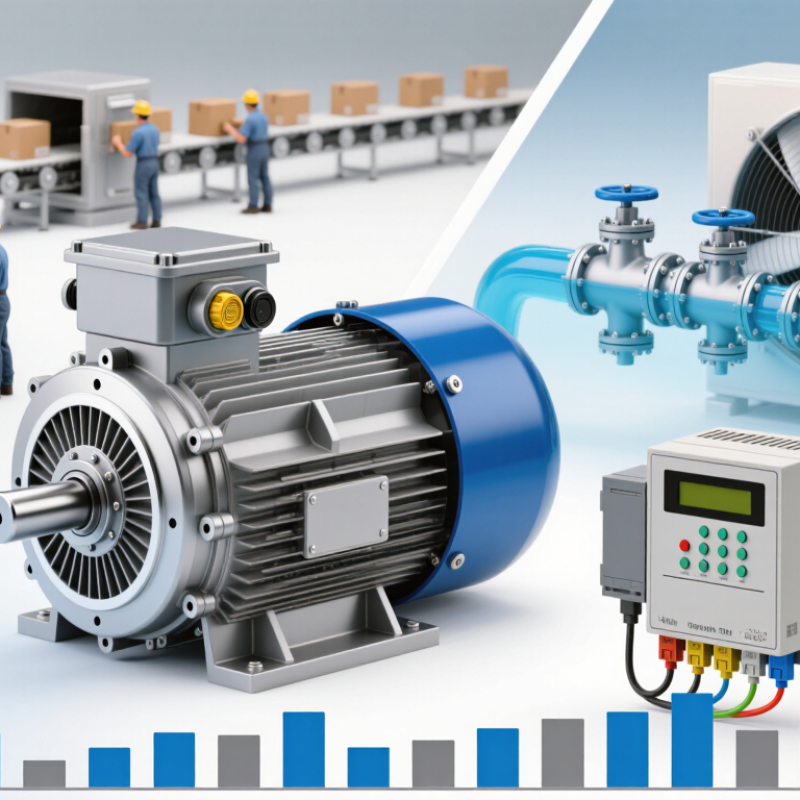
Why Choose a Variable Speed Motor?

What Is a Variable Speed Motor?

Why Choose a Variable Speed Motor?

What Is a Variable Speed Motor?

A variable speed motor is a motor system designed to run at different speeds instead of one fixed speed. In many setups, an electronic drive adjusts the power supplied to the motor. For an AC motor, a variable frequency drive can change the electrical frequency, which changes the motor’s rotational speed. The motor and drive must be compatible. The phrase can be slightly misleading: speed control often comes from the drive, not the motor alone.

That control helps match motion to a task. A fan can run slower when a room needs less airflow, while a conveyor can move more gently during loading. Lower speeds may reduce energy use in some applications, but savings depend on the equipment and operating conditions. Not magic. A poorly matched motor, drive, or load can cause overheating, vibration, or unreliable operation. Check the motor’s rating and the load’s needs before choosing a system.

Tips: Confirm the required speed range, torque, and duty cycle. Ask a qualified technician to check compatibility, especially if the motor will run slowly for long periods. A quick speed adjustment is useful, but it is not a substitute for proper sizing.

How Does Variable Speed Control Work?

How Does Variable Speed Control Work?

A variable speed motor system changes the electrical frequency supplied to an AC motor, adjusting its speed to match the work required. A drive first converts incoming AC power to DC, then creates a controlled AC output. Increase frequency, and the motor generally turns faster; lower it, and the motor slows. The drive also manages voltage and monitors operating conditions. In practice, a pump may run quickly while filling a tank, then slow as demand falls. No constant full-speed operation is needed.

The U.S. Department of Energy’s Improving Motor and Drive System Performance: A Sourcebook for Industry reports that motor systems account for about 54% of electricity use in U.S. manufacturing. That makes speed control worth evaluating, especially for pumps and fans that often run below full load. With centrifugal equipment, reducing speed can substantially cut energy demand because power requirements fall steeply as speed drops. Actual savings depend on the system, operating hours, and control settings—not just the drive.

There are limits. A poorly sized motor, unsuitable minimum speed, or incorrect control settings can waste energy or create process problems. A fan may also need enough airflow to prevent overheating. Measure the load before installation, then compare power use across real operating conditions. Small details matter. A little commissioning effort can reveal whether the promised control is actually working.

What Benefits Does a Variable Speed Motor Offer?

A variable-speed motor lets equipment adjust its rotation to the task instead of running at one fixed pace. That flexibility can improve process control, reduce mechanical stress, and lower energy use when full output is unnecessary. On a water pump, slowing the motor during periods of lighter demand may avoid restricting flow with a valve. On a conveyor, a gradual start can help keep boxes from shifting and reduce sudden strain on belts and couplings. These are practical gains. The savings are not automatic.

Energy performance depends on the motor, drive, load, and operating schedule working well together. A motor that runs slowly under a heavy load may not use less energy, and an incorrectly sized drive can create inefficiency or excess heat. Variable speed also gives operators more precise control: they can adjust airflow, flow rate, or production pace without repeatedly stopping equipment. That can make daily operation smoother. Still, controls need sensible setup and periodic checks; otherwise, the added flexibility may go underused. In some systems, a fixed-speed motor remains the simpler choice. The real benefit comes from matching speed control to a genuine change in demand.

Where Are Variable Speed Motors Commonly Used?

Why Choose a Variable Speed Motor?
Where Are Variable Speed Motors Commonly Used?

Variable speed motors are common wherever a machine must match changing workloads. In HVAC systems, they adjust fan and pump output as room demand shifts. A fan can slow at night instead of pushing full airflow through quiet offices. This may reduce energy use and noise, though savings depend on system design and settings.

Factories use them on conveyors, mixers, pumps, and packaging equipment. Operators can start a loaded conveyor gently, then raise its speed to meet production needs. Water treatment and irrigation systems also use variable speed control to match flow requirements. In workshops, these motors help tools maintain a steadier process when materials vary. The setup is not automatic magic; incorrect sizing or tuning can cause overheating, vibration, or poor performance.

Tips: Check the motor’s load range, cooling needs, and control compatibility before installation. Record operating speed and temperature during commissioning. Small changes matter. If a motor runs slowly for long periods, its built-in fan may cool it less effectively. Consult a qualified technician when the application’s duty cycle is unclear.

Why Choose a Variable Speed Motor? - Where Are Variable Speed Motors Commonly Used?

Common Application Typical Equipment Why Variable Speed Is Useful Important Consideration
Heating, ventilation, and air conditioning (HVAC) Fans, blowers, and air-handling units Airflow can be adjusted to match building demand, helping reduce unnecessary operation at full speed. Motor, drive, and fan must be compatible; minimum airflow and cooling requirements still apply.
Water and wastewater systems Supply, circulation, and treatment pumps Pump output can be matched to changing flow requirements, supporting pressure and flow control. Control settings should account for pump limits, system pressure, and the risk of cavitation.
Manufacturing and material handling Conveyors, feeders, and packaging equipment Adjustable speed helps coordinate production lines and can provide controlled starting and stopping. Required torque, load changes, and stopping behavior should be checked during system design.
Machine tools Lathes, milling machines, and drilling equipment Speed adjustment can suit different operations, materials, and cutting conditions. Some machines require precise speed regulation or a dedicated drive and control system.
Mixing and processing Industrial mixers, agitators, and processing equipment Operators can adjust mixing speed to suit the material or process stage. Viscosity, required torque, and the possibility of overload affect motor and drive selection.
Elevators and lifting systems Elevator drives, hoists, and other lifting equipment Controlled acceleration and deceleration can support smoother operation and positioning. These applications require appropriately rated drives, braking systems, and safety controls.

How speed is controlled: Variable-speed operation is commonly achieved with a compatible electronic drive, such as a variable-frequency drive for many AC motors. The suitable motor and control method depend on the load, required speed range, torque, duty cycle, and operating environment.

What Should You Consider When Choosing One?

Why Choose a Variable Speed Motor?

What Should You Consider When Choosing One?

Start with the machine’s actual workload, not just its maximum speed. A conveyor carrying light boxes most of the day may need different torque behavior from a mixer that starts under a heavy load. Check the required speed range, starting torque, acceleration time, and how often the load changes. A motor that runs slowly may still need substantial torque. Small details matter.

Next, confirm that the motor, drive, and control system work together. Review voltage, current, feedback requirements, braking needs, and the drive’s available speed range. Consider where the equipment will operate, too: dust, heat, moisture, and limited airflow can affect cooling and service life. Allow room for wiring and maintenance around the installation. Compatibility is not automatic. It is easy to focus on energy savings and overlook setup costs or extra electrical protection.

Sizing deserves care. An oversized motor can add expense and may operate inefficiently at typical loads, while an undersized one can overheat or struggle during starts. Compare expected operating hours and load patterns, then ask a qualified engineer or supplier to check the selection against the machine’s duty cycle. Real operating data helps, though it may be incomplete. Note the motor’s temperature, speed, and current during a representative shift before finalizing the choice.

FAQS

What is a variable speed motor?

It is a motor system that runs at different speeds. An electronic drive often controls that speed. The motor alone may not provide the adjustment.

How does variable speed control work?

For an AC motor, a drive changes the electrical frequency supplied to it. Higher frequency generally means faster rotation. Lower frequency slows it down.

Where can variable speed systems be useful?

They can suit pumps, fans, and conveyors. A pump may slow when water demand falls. A conveyor can start gently, keeping boxes steadier.

Can variable speed control reduce energy use?

It can, especially when pumps or fans often run below full output. Savings depend on the load, operating hours, and settings. Not automatic.

Does slower operation always use less energy?

No. A heavy load, poor sizing, or unsuitable settings may reduce efficiency or create heat. I would check real operating conditions, not just assume.

What should be checked before choosing a system?

Confirm the required speed range, torque, and duty cycle. Make sure the motor and drive are compatible. Small details matter.

Can running a motor slowly cause problems?

It can, especially during long periods at low speed. Overheating, vibration, or unreliable operation may occur. A qualified technician can assess the setup.

Is a variable speed system always better than a fixed-speed motor?

No. Speed control is useful when demand changes. For steady tasks, a fixed-speed motor may be simpler. That distinction is easy to overlook.

Conclusion

A Variable Speed Motor adjusts its operating speed to match the needs of a task, rather than running at one fixed rate. Speed control is typically achieved by changing the electrical input supplied to the motor, allowing smoother starts, more precise operation, and better coordination with the equipment it drives. This flexibility can help reduce unnecessary energy use, limit mechanical stress, improve process control, and support quieter operation in suitable applications.

Variable speed motors are commonly used in equipment such as pumps, fans, conveyors, and machine tools, where workloads or required speeds may change. When choosing one, consider the required speed range, torque, power, operating environment, control compatibility, installation needs, and expected maintenance. Matching the motor to the application helps ensure reliable performance and makes the most of its adjustable-speed capability.

Mason

Mason

Mason is a seasoned marketing professional with a deep expertise in the company's offerings and a passion for driving brand awareness. With a strong background in digital marketing strategies, he has an innate ability to connect with diverse audiences and effectively communicate product benefits.......